Blockchain domains are becoming trendier than ever in the world of decentralization. The services’ largest supporters report these new forms of web addresses can make our online experiences more secure, transparent, and usable than ever.
However, this nascent technology has also been at the center of various contentions, with some riddled with underlying myths. So prominent have Blockchain domains been globally that Microsoft has deemed it a “threat” to traditional domains.
This article answers one big question on the minds of many people who are possibly just learning about traditional domains: Will blockchain domains replace traditional domains? What are the facts about Blockchain domains, and what are some popular myths we need to bin?
Between Blockchain Domains and Traditional Domains
Have you ever wondered about how to memorize wallet addresses like 0x71C7656EC7ab88b098defB751B7401B5f6d89767 or 1BvBMSEYstWetqTFn5Au4m4GFg7xJaNVN2, especially as against your favorite website, blog, or social media account? Among other important things, Blockchain domains take out that hassle of memorizing or safekeeping complex wallet addresses.
At its simplest level, Blockchain domains allow users to replace hard-to-memorize wallet addresses with simple ones like lankane.eth, helping users seamlessly facilitate crypto transactions. Moreover, by replacing wallet addresses with domain names, users have a highly diminished chance of typing erroneous addresses.
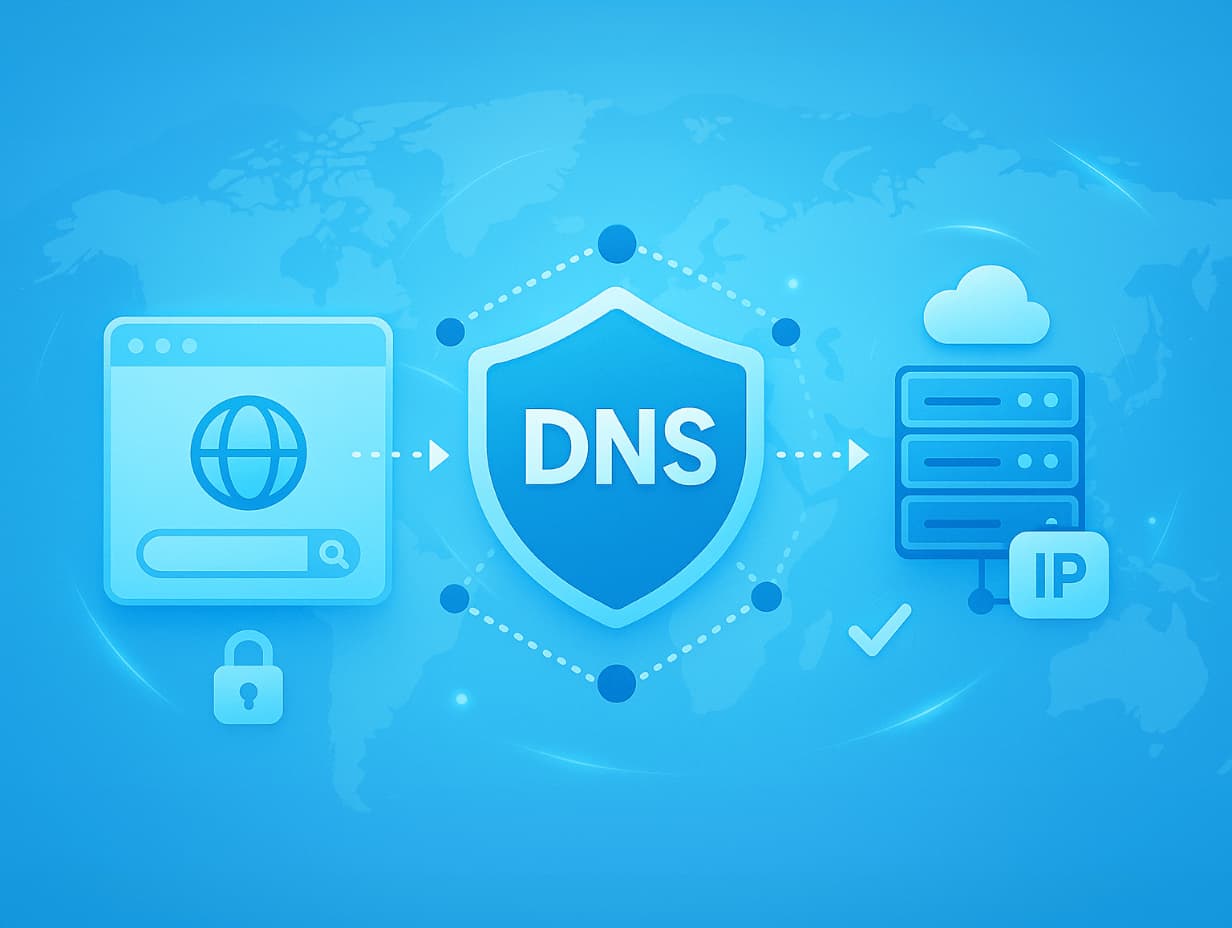
These addresses live on public blockchains like Ethereum or Polygon and are secured via smart contracts – just like NFTs. Unlike traditional domains, Blockchain domains aren’t stored on a server but are held in a public ledger or registry for anyone’s access. Just like traditional domains can match an IP address to a .com URL, a Blockchain domain can match itself to a crypto wallet address.
Once minted, the Blockchain domain lives in the holder’s crypto wallet forever. Some domains, such as Ethereum Name Service (ENS), require renewal fees, potentially including options to secure 100s of years of registration ahead. Next, we debunk some myths about Blockchain domains, replacing them with facts.
Are Blockchain Domains the Ultimate Solution for All Digital Problems?
Blockchain domains offer massive benefits with limitless potential. However, they’re not a solution for every digital platform seeking online habitation. While Blockchain domains can make your brand immutable, transparent, and efficient, their limitations mean they can’t completely replace a centralized system. The technology’s potential challenges, ranging from scaling issues to cost, and complexity, mean they can’t completely replace conventional domains.
Are Blockchain Domains Impossible to Hack?
Blockchain domains offer one of the most secure solutions for website hosting. Thanks to their decentralized structure and encryption mechanism, altering Blockchain data is nearly impossible – but that’s how far its security goes.
In reality, Blockchain operates with a hashing algorithm that logs in new transactions within a unique and almost unpredictable 32-bit nonce, and subsequently a more secure 256-bit encrypted hash. These numbers are nearly unpredictable. However, hackers can exploit code errors, security flaws, or other verification processes to breach a Blockchain domain.
Are Blockchain Domains a Threat to You?
With the massive potential and growing reach of Blockchain domains, Microsoft’s claims on the potential threats of Blockchain domains are worth addressing. While Blockchain domains aren’t perfect solutions for locating websites, they are not a threat to everyday people who will use them to reap their accompanying benefits.
However, their tremendous growth and reach are bound to be a threat to businesses exclusively running traditional domains that are currently controlling the web identity industry.
So, Will Blockchain Domains Replace Traditional Domains?
This question mirrors the fears many have about decentralized finance (DeFi) and cryptocurrency-related financial services. While DeFi holds its immense potential, they have apparent limitations that make it unable to completely erase traditional banking. So goes the world of Blockchain domains.
The widespread integration of blockchain domains is currently limited by technical barriers, including weak browser support, low recognition among mass users, and the complexity of legal protection for such domains. Therefore, at this stage, they complement rather than replace the traditional domain name system and work most effectively in narrow niches of crypto and decentralized projects.
Conclusion
Unlike traditional domains, Blockchain domains are final and immutable once purchased. No one could force another to relinquish control of a Blockchain domain until the registration period expires. It’s the reason why smart Blockchain domain platforms have reserved slots for the world’s biggest countries – whenever or if they choose to join the web3 revolution.