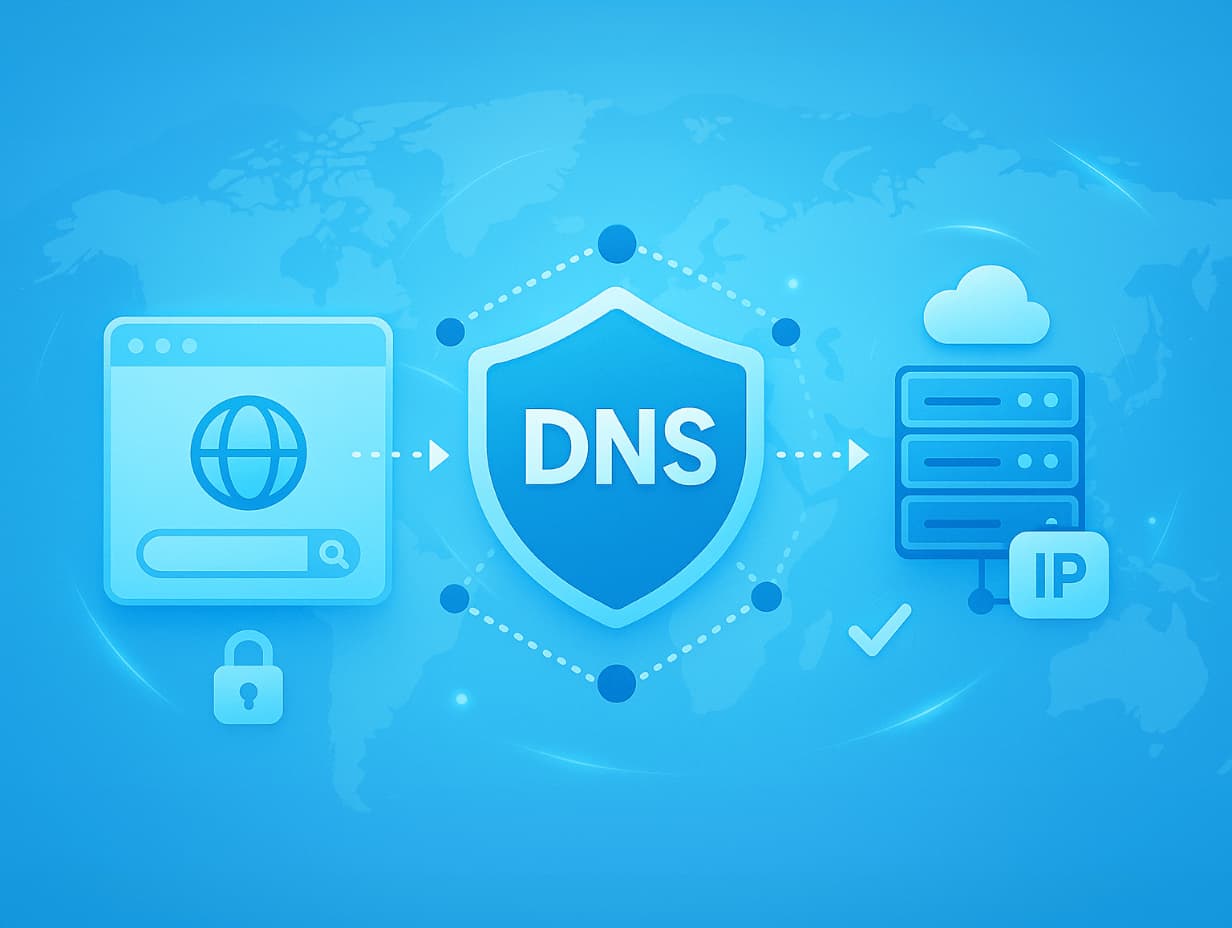
The internet has transformed the way we live, work, and interact, yet its foundational infrastructure is showing signs of strain. Domain names, which have long served as the primary gateway to online resources, rely on the traditional Domain Name System (DNS) — a hierarchical, centralized system that has been in place for decades. While effective in the past, DNS is increasingly unable to meet the demands of a modern, decentralized, and security-conscious web. Its centralization creates vulnerabilities, limits autonomy, and exposes businesses and users to risks that are unacceptable in today’s digital economy.
Traditional DNS translates human-readable domain names into IP addresses, enabling users to connect to websites and online services. However, its reliance on central authorities — registrars and governing bodies — means that domain control is never fully in the hands of the owner. Domains can be suspended, modified, or revoked without the consent of the user. For companies, startups, and Web3 projects, this creates operational uncertainty and exposes digital assets to potential disruption. Furthermore, centralized DNS servers are vulnerable to cyberattacks such as DDoS attacks, cache poisoning, and hijacking, which can lead to downtime, financial losses, and reputational damage.
In parallel, the internet is evolving towards decentralization. Blockchain technologies, decentralized autonomous organizations (DAOs), and Web3 applications demand systems that offer autonomy, transparency, and security beyond what traditional DNS can provide. Decentralized domains — blockchain-based domains managed through distributed networks — are emerging as the solution. They offer a new paradigm for managing digital identities, assets, and online presence with a level of control and resilience that traditional systems cannot match.
The Challenges of Centralized DNS
Centralized DNS has inherent limitations that are becoming more critical as digital ecosystems expand. One of the most pressing issues is censorship. Because centralized servers can be influenced by governments, regulators, or private authorities, domain access can be blocked or restricted. For businesses operating globally, this can disrupt operations, hinder communication, and limit market access.
Security is another critical concern. Centralized DNS servers are high-value targets for hackers. Attacks on these servers can affect millions of users simultaneously, creating widespread outages and undermining trust in online services. Even with sophisticated safeguards, centralized structures remain inherently vulnerable because a single point of failure can compromise the entire system.
Finally, traditional DNS does not provide users with true ownership. Domain registrars and governing bodies retain ultimate control over registration, renewal, and transfer, creating dependency and potential operational risks. Companies seeking to maintain a resilient online presence must rely on intermediaries, which introduces delays, costs, and administrative complexities.
How Decentralized Domains Solve the Problem
Decentralized domains, built on blockchain technology, address the weaknesses of traditional DNS by providing greater autonomy, security, and transparency. Unlike centralized domains, ownership of a blockchain-based domain is absolute: it resides entirely with the holder and is secured through cryptographic methods that make it practically tamper-proof.
One of the key advantages of decentralized domains is their resistance to censorship. Domains on a blockchain are immutable and distributed across a network of nodes, meaning no single entity can block or delete them. This ensures uninterrupted access to digital services, which is particularly valuable for startups, Web3 projects, and online platforms operating across borders.
Security is also significantly enhanced. Blockchain domains do not rely on a single server and are protected by cryptographic protocols, reducing the risk of cyberattacks. They are also resistant to hijacking, manipulation, and unauthorized modifications. Businesses that adopt decentralized domains can safeguard digital assets, maintain brand continuity, and protect sensitive information.
Ownership and management are simplified. Without intermediaries, registering and controlling a decentralized domain is faster, more transparent, and less expensive. Users can link domains directly to blockchain wallets, smart contracts, and decentralized applications, creating an integrated ecosystem where identity, assets, and transactions are fully self-sovereign. Platforms like seo.casino already use decentralized domains to enable secure interactions within blockchain gaming environments, ensuring transparency and trust between users and the platform.
Real-World Applications of Decentralized Domains
Decentralized domains are not just a theoretical improvement — they are actively transforming multiple industries:
Startups and Entrepreneurs
Startups benefit from decentralized domains by establishing unique digital identities that reinforce innovation and security. Blockchain domains provide a clear, tamper-proof representation of ownership and create a distinctive presence in a crowded digital landscape.
Online Gaming and Crypto Platforms
For online gaming and crypto platforms, decentralized domains enhance user security and transactional transparency. They allow platforms to manage identities and assets without relying on centralized servers, reducing fraud risks and improving user trust. In practice, companies like seo.casino leverage these domains to secure player interactions and integrate blockchain functionalities seamlessly.
NFT Marketplaces
NFT platforms can assign unique blockchain domains to individual digital assets, improving provenance tracking, ownership verification, and trust. This reduces fraud, simplifies trading, and increases transparency for users engaging with high-value digital assets.
Global Operations and Cross-Border Services
Decentralized domains remove geographical restrictions, enabling businesses to operate globally without relying on region-specific DNS infrastructure. This is particularly important for Web3 projects that require reliable and consistent access across multiple countries and regulatory environments.
Digital Identity and Web3 Integration
Beyond websites, decentralized domains can act as self-sovereign digital identities, linking wallets, smart contracts, and user profiles across Web3 ecosystems. This integration allows for seamless identity verification, secure transactions, and cross-platform interoperability.
The Future of the Internet
The emergence of decentralized domains represents a shift from centralized control to distributed governance. They empower businesses, DAOs, and Web3 projects to operate independently, securely, and transparently. The adoption of blockchain-based domains is expected to grow rapidly, especially in industries where security, transparency, and operational autonomy are essential.
As decentralized domains become more widespread, they are reshaping how digital identity, online governance, and asset management function. These domains offer businesses and Web3 projects greater control, enhanced security, and resilience, enabling a more transparent and reliable internet ecosystem.
DNS Evolution
Traditional DNS, while foundational to the internet, is increasingly inadequate for the demands of modern digital ecosystems. Its centralized structure exposes businesses to security risks, censorship, and lack of control. Decentralized domains offer a solution by providing full ownership, enhanced security, resistance to censorship, and seamless integration with Web3 applications. For startups, DAOs, online platforms, and blockchain-based businesses, adopting decentralized domains is not merely a technical upgrade — it is a strategic move toward independence, reliability, and long-term sustainability, setting the stage for a new era of internet infrastructure.