With the rise of web3 games like Axie Infinity which at some point amassed over 2 million monthly users, Web3 domains represent the fastest-growing category of decentralized applications, per DappRadar reports. Interestingly, the growth isn’t showing any signs of slowing down any time soon.
Combine that with the fact that players downloaded over 100 billion mobile games in 2024 and it’s easy to see the immense influence that Blockchain gaming has on players, investors, and developers. While web3 domain games still have a vast gap to cover before catching up with the demand for conventional games, one unique edge in web3 domains can help them quickly close that gap. Here’s exploring some top features of web3 domains, especially as they provide additional gamer privacy and anonymity.
Boosted Security on Web3 Domain Games
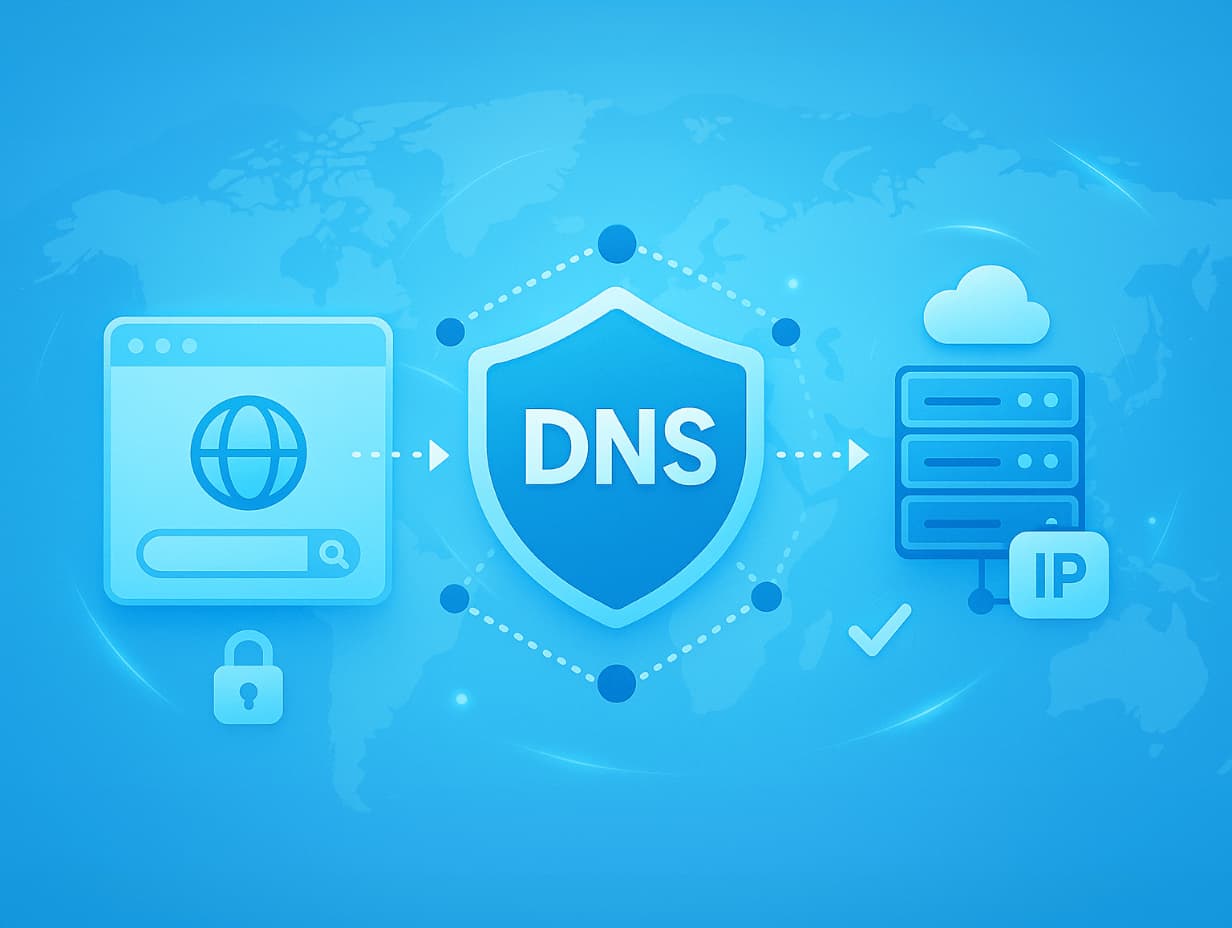
Although web3 domains work similarly to web2 domains, their links to Blockchain technology make them provide better security. Decentralized domains offer users complete control over their virtual assets, NFT, or any other content forms and data obtained while playing their favorite games.
To achieve advanced security, web3 domains can provide gamers with tamper-proof cryptographic key encryptions that allow them to store passwords on a local device. Moreover, web3 sites leverage Blockchain technology to ensure that only approved persons can access any in-game data, just like they do at some crypto gambling casinos at https://bonusy-bez-depozytu.pl/.
Improved Privacy and Anonymity for Gamers on Web3 Domains
Heightened privacy becomes highly relevant to gamers whose sensitive information may be the only barrier to safekeeping their private information, cash-able wins, and in-game treasures. Thankfully, decentralized domains offer a higher anonymity and security level than traditional domains. They provide what resembles an end-to-end encryption that allows gamers to keep their details safe, offering them the authority to determine who can use or access their data. Here are details on how web3 domains ensure gamers stay safe while exploring their favorite titles in the virtual, decentralized world.
1. Protects Your Data
Web3 domains generally allow gamers to keep their credentials and location private. Unlike web2 domains where users have to provide their credentials during registration, which are stored in a WHOIS directory on a centralized server, web3 domains allow users to choose their privacy preferences.

For instance, a web3 gamer or gaming firm can choose to keep their unique credentials in a local device, away from the public’s glare or scrutiny. That way, users are less likely to be traced by hackers and cybercriminals.
2. Improved Accessibility
One of the easiest ways to examine how web3 domains can affect gamer privacy is to compare the worlds of web2 and web3 websites. Web2 social networks like Facebook, Instagram, and Google provide users with unrestricted access to others’ personal information, potentially endangering their private data.
According to a 2021 report on web2 social media security, nearly 1.4 billion accounts are being hacked every month. Meanwhile, hackers attempted to sell over 1.5 billion stolen Facebook accounts in September alone. Consider how lethal this could be where a prized gaming activity is involved.
In contrast, web3 domains offer creators total control over their data. That way, they’re free to dictate who could access their personal information or in-game treasures or how they access it. These platforms can also restrict data-sharing among gamers who want to keep information about their activities private.
3. Interoperability
Web3 domains are immensely interoperable, providing lots of customization options for building a viable Blockchain-powered portfolio. First, gamers can integrate any cryptocurrency wallet linked with their web3 games – with no limits on linkable wallets.
Also, where necessary, users can integrate their gaming activity with their NFT collections, Metaverse assets, decentralized Apps, and vice versa. With no need to create separate login IDs or passwords across entertainment and financial platforms, gamers can manage all their digital asset and domains using a single and secure identity.
Conclusion
Beyond providing easy access, web3 domains provide gamers with unmatched privacy, security, and scalability. As web3 gaming technology improves, and more users and regions open their arms wider to the burgeoning niche, we can expect even more radicalizing web3 titles and successes in the near future.