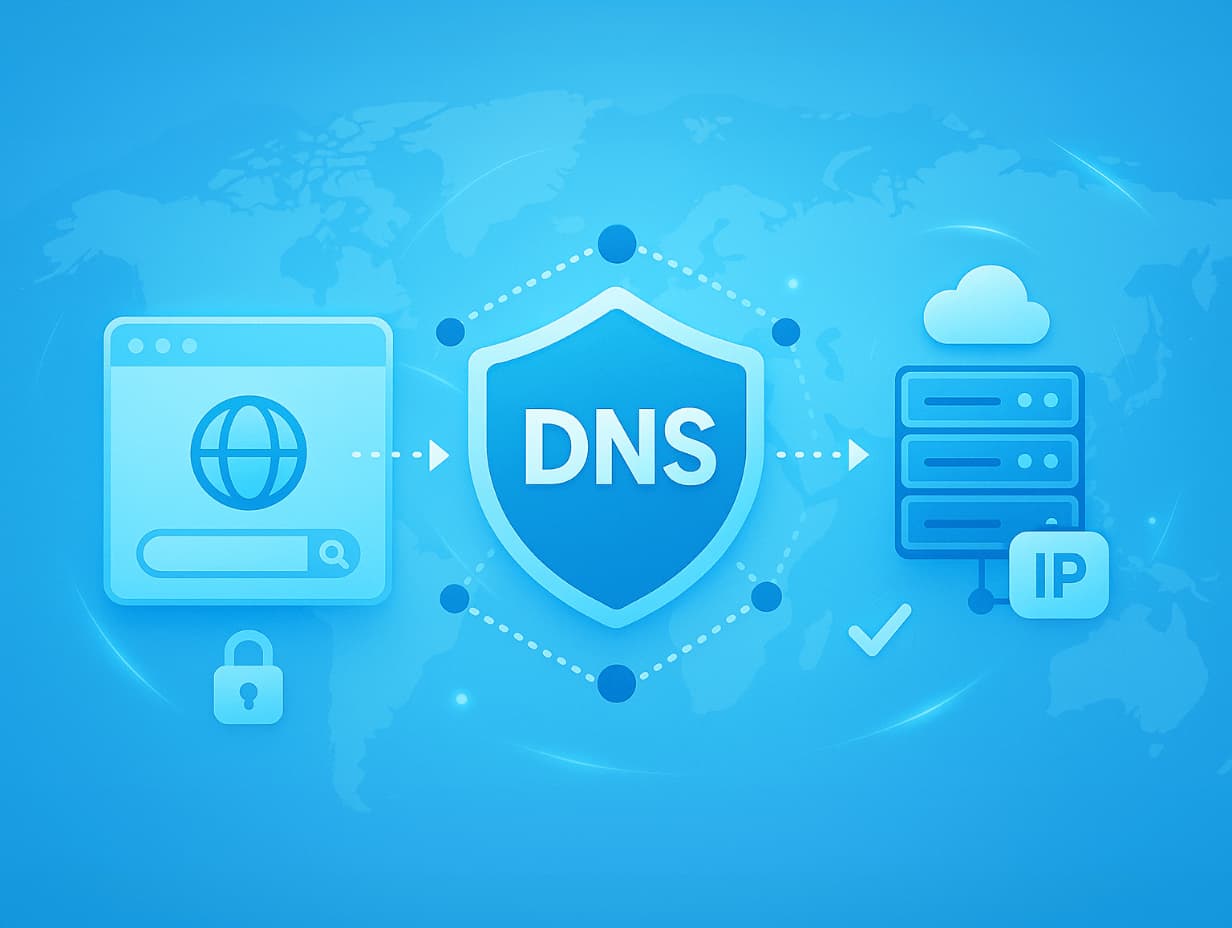
The Domain Name System (DNS) is one of the foundational components of the internet, acting like a digital phonebook that translates human-readable domain names—like example.com—into machine-readable IP addresses. This system, however, is largely controlled by centralized authorities such as ICANN and various registrars, making it vulnerable to censorship, security breaches, and single points of failure. As the internet continues to expand and influence global communication and commerce, the limitations of traditional DNS have come under increasing scrutiny from technologists, activists, and decentralization advocates.
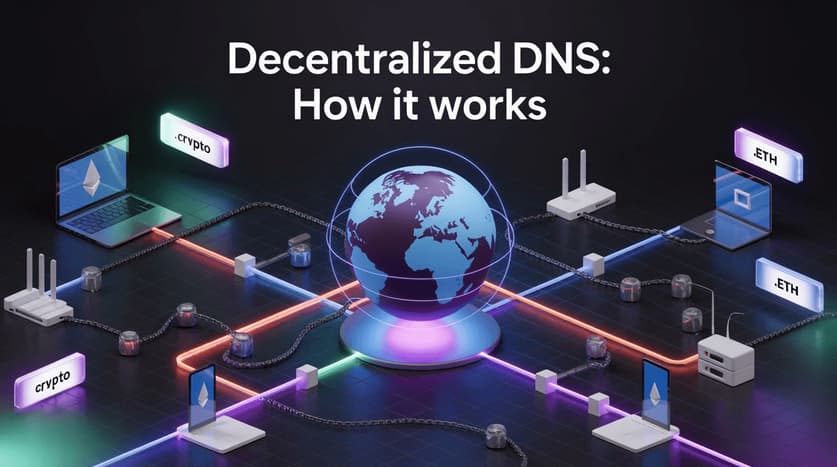
Decentralized DNS (dDNS) emerges as a solution to these challenges by reimagining the DNS system using blockchain and peer-to-peer technologies. Unlike the conventional approach, dDNS operates without a central authority, distributing domain ownership and resolution processes across a network of independent nodes. This structure enhances security, reduces the risk of domain hijacking, and makes censorship significantly more difficult. As part of the broader Web3 movement, decentralized DNS represents a shift toward greater control, privacy, and resilience in how we navigate and manage the web.
Understanding DNS Basics
To grasp the significance of decentralized DNS, it’s essential to first understand how the traditional Domain Name System (DNS) functions. At its core, DNS is a hierarchical naming system that translates user-friendly domain names like google.com into numerical IP addresses like 142.250.72.206, which computers use to locate each other on the internet. This translation process is facilitated by a distributed database of DNS servers arranged in tiers: root servers at the top, followed by Top-Level Domain (TLD) servers (such as .com, .org), and finally authoritative name servers that store the actual IP mappings for individual domain names.
While the system is efficient and essential for web usability, it is also centralized and reliant on a relatively small number of trusted organizations to manage and operate key parts of the infrastructure. For example, the Internet Corporation for Assigned Names and Numbers (ICANN) oversees domain allocations, while major DNS providers like Google and Cloudflare manage large portions of DNS resolution. This centralized structure makes DNS a target for cyberattacks such as DNS spoofing or DDoS attacks, and enables governments or entities to block or redirect domains, leading to censorship and control over internet access. These vulnerabilities highlight the need for more robust, distributed alternatives—such as decentralized DNS.
How Does Decentralized DNS Work?
Here’s a comprehensive breakdown of how Decentralized DNS (dDNS) works, including its underlying technologies, processes, and practical components:
Core Technologies Behind Decentralized DNS
Blockchain
- Domains and their associated records (e.g., IP addresses, content hashes) are stored on a blockchain, making them immutable and tamper-proof.
- Each domain is typically an NFT-like asset that the owner controls using a private key.
Smart Contracts
- Used for domain registration, ownership verification, and data updates.
- These contracts automate the logic behind assigning or transferring domains.
Distributed Hash Tables (DHT)
- Used in some dDNS systems (like Namecoin) to distribute records across a peer-to-peer network instead of a centralized registry.
- Offers redundancy and resistance to outages or takedowns.
IPFS / InterPlanetary File System
- Often used to store website content (especially in Web3).
- DNS records point to IPFS content hashes rather than traditional IP addresses.
Domain Registration in dDNS
Step-by-Step Flow:
- User selects a domain name (e.g., myname.eth).
- Submits a transaction to a blockchain-based DNS system (e.g., ENS, Handshake).
- Pays gas/fees to register the name via a smart contract.
- The domain record is written to the blockchain, marking the user as the rightful owner.
This process is:
- Transparent (viewable by anyone)
- Immutable (can’t be altered without the owner’s private key)
- Decentralized (no central registrar controls ownership)
Name Resolution Process
Decentralized DNS systems resolve names differently from traditional DNS:
| Traditional DNS | Decentralized DNS |
| Queries root servers (e.g., .com) | Queries blockchain nodes or DHTs |
| Centralized name resolvers | Peer-to-peer nodes or smart contracts |
| Returns IP address | Returns IP, content hash, or metadata |
Example Workflow:
- User types example.eth in their browser.
- The resolver (browser plugin or gateway service) queries the ENS smart contract.
- ENS returns a record:
- IPv4/IPv6 address
- IPFS hash (e.g., for decentralized websites)
- Wallet address (for crypto payments)
- The browser then retrieves the content via standard protocols (HTTP/IPFS gateway).
Ownership and Access
- Domains are controlled by cryptographic keys.
- Only the private key holder can update or transfer domain records.
- There’s no central authority that can revoke your domain.
This model enhances:
- Security: No risk of registrar hijack or DNS poisoning.
- Privacy: No account verification or identity disclosure required.
- Freedom: Resistant to censorship or legal takedowns.
Tools and Integration
To use or access dDNS, users typically need:
- Browser extensions (e.g., MetaMask, Unstoppable Extension)
- Custom resolvers or DNS-over-HTTPS gateways
- Compatible browsers like Brave or Opera (native ENS support)
- Bridge tools that map dDNS to traditional DNS
Challenges in Name Resolution
While decentralized DNS is innovative, it’s not without trade-offs:
- No native support in most browsers (requires plugins or custom setups)
- Slow query resolution compared to optimized DNS caching systems
- Fragmented standards: ENS, HNS, and Namecoin don’t interoperate by default
- No global dispute resolution: Domain squatting is harder to manage
Benefits of Decentralized DNS
Here are the key benefits of Decentralized DNS (dDNS)—explained across technical, security, privacy, and resilience dimensions:
Censorship Resistance
Traditional DNS: Centralized DNS systems are vulnerable to government or corporate censorship. Domain names can be seized, blocked, or taken down by legal or administrative actions.
Decentralized DNS:
- Domains live on a public blockchain or distributed network, which no single entity controls.
- Censorship is nearly impossible without blocking access to the entire blockchain or protocol.
- Ideal for freedom of speech, journalism, whistleblowing, and regions with restricted internet access.
Improved Security
Decentralized DNS offers protection against several major attack vectors:
DNS Hijacking or Spoofing:
- Traditional DNS servers can be hacked, redirecting traffic to malicious websites.
- dDNS records are cryptographically secured and immutable, preventing unauthorized tampering.
DDoS Protection:
- Centralized DNS services can be overwhelmed by Distributed Denial of Service (DDoS) attacks.
- Decentralized networks are more resilient due to redundant peer nodes and blockchain immutability.
True Ownership & Control
With dDNS, users own their domains outright, similar to owning a digital asset or NFT:
- No third-party registrar needed: No need to rely on companies like GoDaddy or Namecheap.
- Private key = ownership: Only the keyholder can update or transfer the domain.
- No expiration risk: Some platforms allow permanent ownership without annual renewal fees (e.g., Unstoppable Domains).
Enhanced Privacy
Traditional domain registrations often require:
- Real-name verification
- Contact information (visible via WHOIS)
- Exposure to surveillance or marketing data mining
With dDNS:
- Registration can be anonymous or pseudonymous.
- No centralized database of user identity.
- Supports privacy-focused protocols and applications.
Redundancy & Fault Tolerance
Decentralized DNS infrastructure is:
- Distributed across many nodes (blockchain or peer-to-peer networks)
- Resistant to single points of failure
- Always available—even if one server or gateway goes down
This leads to:
- Higher uptime
- More reliable access in politically unstable or disaster-prone regions
Interoperability with Web3 Ecosystems
Decentralized domains often integrate with:
- Wallets (e.g., use your .eth address to receive crypto)
- Decentralized websites hosted on IPFS or Arweave
- DApps and smart contracts
Long-Term Cost Efficiency
- No need to pay annual renewal fees (in many systems)
- Reduced dependence on third-party DNS management tools or services
- Possible savings on legal costs (no need for domain retrieval through disputes or ICANN processes)
Innovation and Customization
Because dDNS is open-source and programmable, users and developers can:
- Define custom record types or metadata
- Automate domain behaviors with smart contracts
- Experiment with decentralized search, hosting, and identity layers
Conclusion
Decentralized DNS (dDNS) represents a transformative shift in how domain names are registered, managed, and resolved on the internet. Unlike the traditional DNS—where centralized authorities like ICANN and major registrars control domain ownership—dDNS leverages blockchain technology, peer-to-peer networks, and cryptographic ownership to return control to individual users.