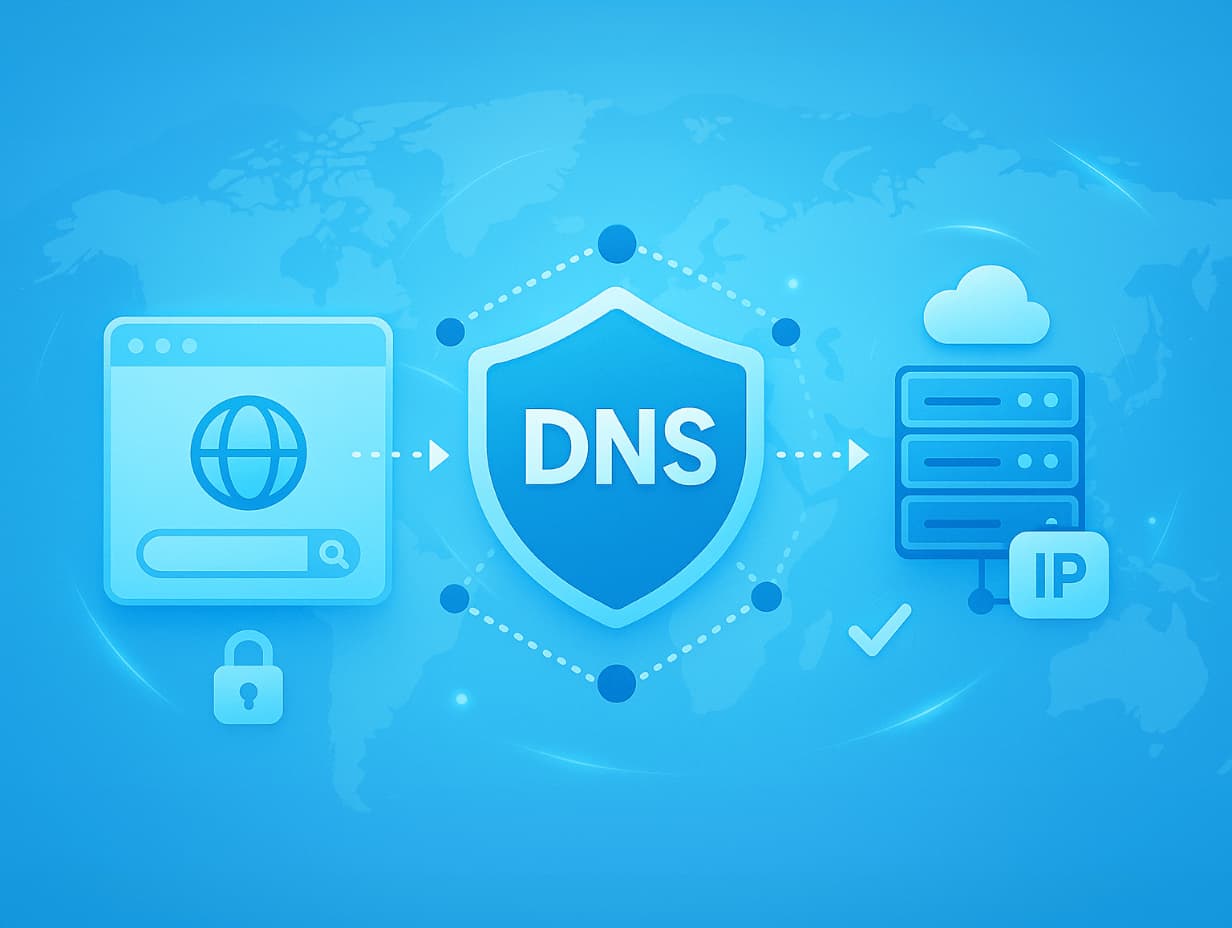
Decentralized domains are becoming an integral part of the Web3 ecosystem, providing users with new opportunities to manage digital identity, interact with decentralized applications (dApps) and ensure resistance to censorship. Let’s look at real-world examples of using such domains in various projects.
- Simplifying cryptocurrency transactions: Decentralized domains such as ENS (.eth) and Unstoppable Domains (.crypto, .nft, and others) allow users to replace complex cryptocurrency addresses with easy-to-remember names. This simplifies the process of sending and receiving funds, reducing the likelihood of address entry errors.
- Hosting decentralized websites: With Web3 domains, websites can be hosted on decentralized platforms such as IPFS. This provides resistance to censorship and increases security as content is stored on a distributed network rather than on centralized servers.
- Integration with decentralized applications: Web3 domain names are used to log into dApps, participate in DAOs, and interact with other Web3 services. They serve as unique identifiers, simplifying authentication and interaction in a decentralized environment.
- Digital identity management: Decentralized domains allow users to create and manage their digital identity without centralized authority. This gives more control over personal data and increases privacy.
- Support for cross-platform interoperability: Some projects, such as Unstoppable Messaging, allow users to send and receive messages between different domain zones (.eth, .crypto, etc.), promoting greater integration in the Web3 space.
These examples demonstrate how decentralized domains find practical application in real-world projects, contributing to the development of a more secure, sustainable and user-centric Internet.