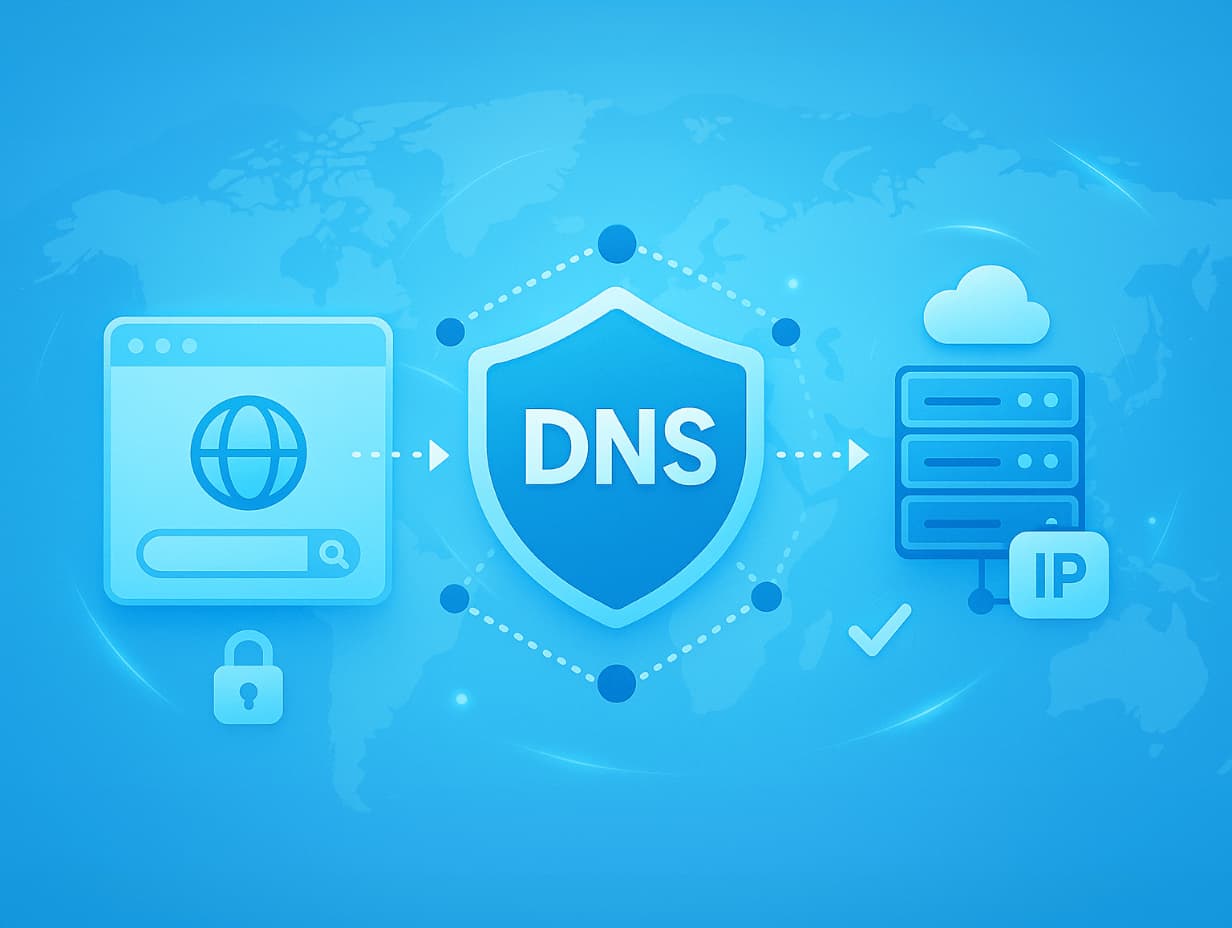
In the Web3 era, where decentralization is becoming a key principle, the traditional Domain Name System (DNS) faces a number of limitations such as centralized management, vulnerability to censorship and attacks. In response to these challenges, decentralized domain name systems (dDNS) have emerged, giving users full control over their domains and providing a higher level of security and resistance to censorship.
Centralization of traditional DNS
The traditional DNS system is managed by centralized organizations such as ICANN, making it vulnerable to censorship and interference. In the event of political or legal decisions, domains can be disabled or redirected without the owners’ consent.
Vulnerability to attack
DNS is vulnerable to various types of attacks, including DNS spoofing and cache poisoning, which can redirect users to malicious sites. While there are defenses in place, such as DNSSEC, they do not provide complete security.
Limited management options
In a traditional system, users rent domains from registrars and are required to renew them regularly, which can result in the loss of a domain if a payment is missed. In addition, customization options and integration with other services are limited.
How decentralized DNS in Web3 works
Decentralized domain name systems use blockchain technology to provide security, resilience and user control. The following are some of them:
Ethereum Name Service (ENS)
ENS allows users to register domains with the .eth extension that can be linked to cryptocurrency wallets, smart contracts, and other resources. ENS domains are NFT, ensuring they are unique and transferable between users.
Unstoppable Domains
This platform offers domain registration with .crypto, .nft, .wallet and other extensions. After a one-time payment, users get lifetime domain ownership with no renewal required.
Handshake
Handshake is a decentralized alternative to the DNS root zone, allowing users to register their own TLDs (top-level domains) without intermediaries. The system uses auctions to allocate domains and provides full owner autonomy.
TON DNS
Developed on the TON blockchain, this system allows the registration of domains with the .ton extension that can be linked to wallets, smart contracts and other decentralized services. TON DNS provides censorship resistance and integration with other components of the TON ecosystem.
Benefits of decentralized DNS
- Full control: Users have full rights to their domains, including the ability to transfer, sell, and customize without intermediaries.
- Resistance to censorship: Due to their decentralized nature, such domains are difficult to disable or hijack without the owner’s consent.
- Web3 integration: Domains can be directly linked to cryptocurrency wallets, decentralized applications, and other Web3 components.
- No renewal required: Some systems, such as Unstoppable Domains, offer lifetime domain ownership after a one-time payment.
Conclusion
Decentralized domain name systems represent an important step in the evolution of Web3, providing users with greater control, security, and freedom in the digital space. Although they are not yet widespread, their potential to create a more open and sustainable Internet is clear.