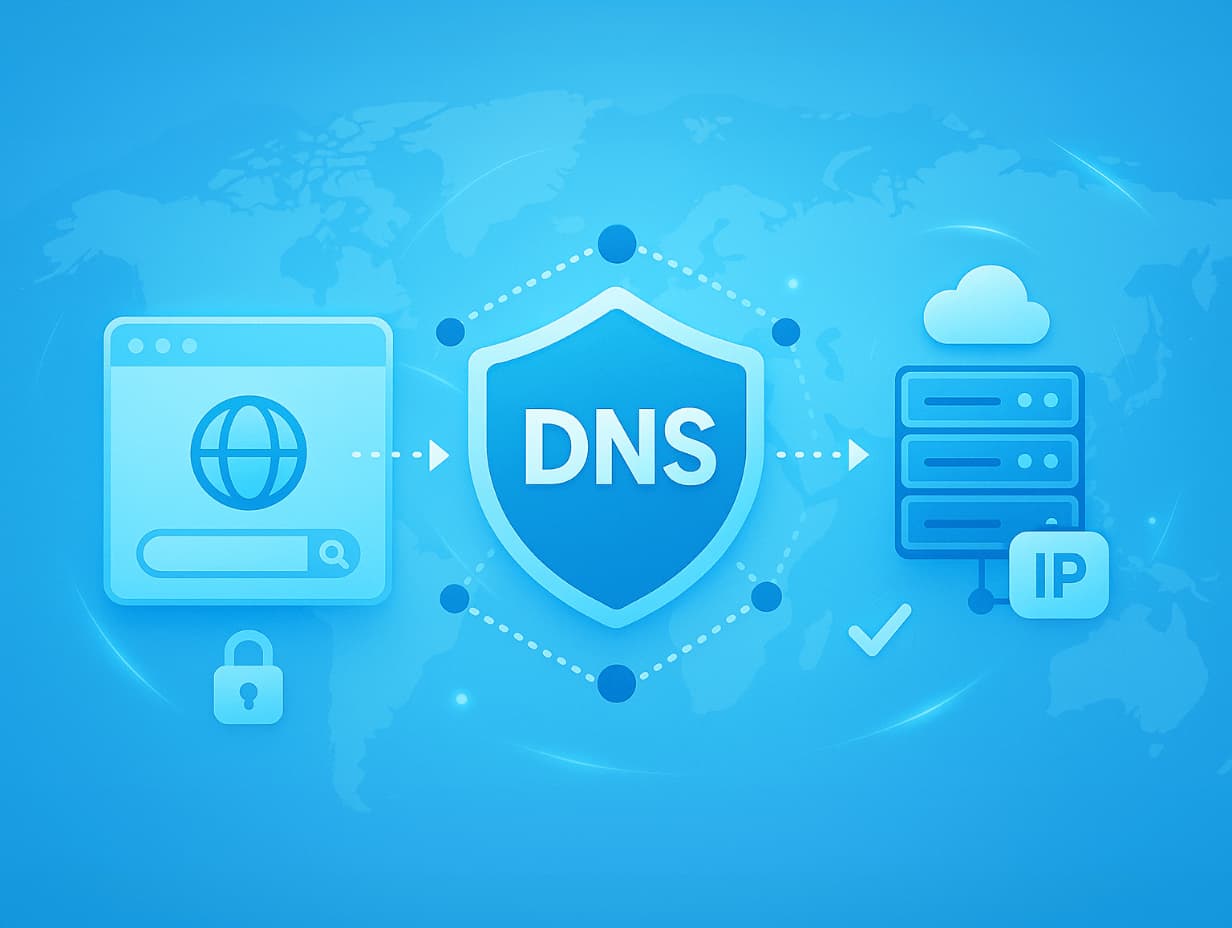
Blockchain-based Domain Name Systems (DNS) are transforming the way online identities and data flows are managed, especially in sensitive fields like financial trading. Unlike traditional DNS infrastructures, which are centralized and prone to surveillance, data leaks, and manipulation, blockchain DNS operates on decentralized ledgers that ensure ownership transparency and censorship resistance. This innovation plays a critical role in strengthening data privacy for traders by mitigating DNS spoofing and tracking risks, which are common in conventional systems. When integrated into trading platforms, blockchain DNS can protect user identities, reduce exposure to intermediaries, and enhance the trustworthiness of trading environments—creating a more secure space for users accessing services like the Exness app, where safeguarding sensitive financial data is paramount.
Furthermore, blockchain DNS supports anonymity through cryptographic mechanisms and self-sovereign identity protocols, enabling users to interact within trading ecosystems without disclosing personal data unnecessarily. As global regulatory scrutiny increases around data usage and digital footprints, this decentralized naming technology offers an effective privacy-enhancing tool for traders seeking secure market participation. In combination with privacy coins and zero-knowledge proofs, blockchain DNS can become a fundamental layer in building truly private and transparent trading infrastructures. As the demand for digital asset trading continues to surge, the adoption of such technologies may define the next era of privacy-conscious financial services.
Overview of Blockchain DNS
Blockchain DNS is a decentralized system that replaces the traditional, centralized domain name system by distributing domain registration and resolution across blockchain networks. Unlike conventional DNS, which relies on central authorities prone to censorship, hijacking, and single points of failure, Blockchain DNS ensures domains are immutable, transparent, and controlled directly by users through cryptographic keys. This approach enhances privacy, security, and user ownership, while supporting integration with emerging Web3 technologies. Leading protocols like Ethereum Name Service (ENS), Handshake (HNS), and Unstoppable Domains exemplify this new model, positioning Blockchain DNS as a fundamental component for digital sovereignty and online freedom.
Key Features of Blockchain DNS:
- No central control – Domain records are distributed across a blockchain, not held by a single authority.
- Censorship resistance – Governments or corporations cannot seize or block access to domains.
- Immutable domain ownership – Domains can’t be altered or hijacked once registered on the blockchain.
- Direct user control – Owners manage domains through cryptographic keys without intermediaries.
- Privacy by design – Registration doesn’t require disclosing personal information.
- Integration with Web3 – Easily connects with decentralized apps, wallets, and identities.
- Security enhancement – Reduces exposure to spoofing, hijacking, or DNS poisoning attacks.
- Transparency – Every domain change is recorded on the public blockchain ledger.
- Tokenization of domains – Domains can be bought, sold, or transferred like digital assets (NFTs).
Enhancing Data Privacy Through Blockchain DNS
Blockchain DNS significantly enhances data privacy by eliminating the reliance on centralized servers that traditionally store and manage DNS records. In a standard DNS model, queries and domain resolutions often pass through Internet Service Providers (ISPs) or other intermediaries, which can log user activity, monitor behavior, or be compelled to share data with third parties. Blockchain DNS, by contrast, operates on decentralized, encrypted networks where ownership and resolution of domain names are handled through peer-to-peer consensus. This means that user activity—such as domain lookups or service access—is less likely to be tracked or surveilled, offering a more private and secure digital experience.
Moreover, Blockchain DNS platforms often integrate privacy-focused tools such as zero-knowledge proofs, self-sovereign identity (SSI), and anonymous credential systems. These allow users to prove ownership of a domain or access rights to a service without revealing their identity or sensitive metadata. When applied to financial trading or other sensitive activities, such capabilities are especially valuable. For example, a trading application integrated with a decentralized DNS could allow users to access markets and authenticate transactions without exposing personal information—helping prevent data leakage and identity theft. This decentralized architecture empowers individuals with greater control over their digital presence while aligning with the growing demand for privacy-first technologies in Web3 and beyond.
Benefits of Trading Data Privacy
Ensuring data privacy in trading environments offers a wide range of benefits that directly impact both individual traders and institutional players. One of the primary advantages is protection against identity theft and financial fraud. By minimizing the exposure of personal and transactional data, privacy-focused trading platforms reduce the risk of malicious actors intercepting sensitive information. This is particularly important in the age of advanced cyberattacks, where even small data leaks can lead to substantial financial and reputational damage. When traders are confident that their activity is shielded from unauthorized access, they are more likely to engage in higher-value trades and long-term market participation.
Here are the key benefits of trading data privacy:
- Protection Against Identity Theft
Safeguards personal information from being accessed or stolen by malicious actors. - Reduced Risk of Financial Fraud
Prevents unauthorized access to sensitive financial data that could be exploited. - Preservation of Trading Strategies
Keeps trading behaviors and patterns confidential, shielding strategic information from competitors. - Minimized Tracking and Surveillance
Blocks third parties, ISPs, or data brokers from monitoring and profiling user activity. - Enhanced User Trust
Encourages participation by assuring traders that their data is handled responsibly. - Compliance with Data Protection Regulations
Helps meet legal standards like GDPR, CCPA, and other regional privacy laws. - Freedom from Censorship
Ensures access to markets and platforms without restrictions based on user identity or location. - Improved Market Fairness
Levels the playing field by limiting privileged access to user behavior data. - Supports Self-Sovereign Identity
Empowers users to control their digital identities without relying on centralized authorities. - Enables Private and Secure Innovation
Fosters the development of new tools and protocols that prioritize user privacy and decentralization.
How Blockchain DNS Used in Trading Data Privacy
Blockchain DNS (Domain Name System) is a powerful tool for reinforcing data privacy in digital trading environments by decentralizing the way domain names are registered, resolved, and accessed. In traditional DNS systems, every domain lookup is typically routed through centralized servers, leaving a trail of user activity that can be monitored, logged, or even manipulated by third parties such as ISPs or governments. This exposure can compromise traders’ privacy, revealing sensitive behavior or trading patterns. Blockchain DNS, by contrast, resolves domain names via a decentralized ledger, where queries and ownership records are distributed across a blockchain network. This architecture prevents single points of failure and removes the ability for centralized actors to surveil or censor domain access.
| Use Case | Description |
| Decentralized Domain Resolution | Removes reliance on centralized DNS servers, preventing tracking and surveillance of domain lookups. |
| Anonymized Access to Trading Platforms | Allows traders to access decentralized exchanges (DEXs) or trading dApps without revealing IP addresses or personal data. |
| Censorship Resistance | Protects access to trading services in regions with internet restrictions or regulatory blocks. |
| Immutable Domain Ownership | Ensures trading domains cannot be hijacked or altered by third parties, preserving trust and data integrity. |
| Private Communication Channels | Facilitates encrypted and peer-to-peer connections between traders and platforms via blockchain-verified domains. |
| Reduced Exposure to DNS-based Attacks | Prevents spoofing, cache poisoning, and man-in-the-middle attacks that can compromise sensitive trading information. |
| Integration with Self-Sovereign Identity (SSI) | Enables domain-based authentication without centralized identity verification, maintaining user privacy. |
| Domain-as-Identity for Wallets and Traders | Uses blockchain domain names (e.g., .eth, .crypto) as privacy-preserving aliases for trading accounts or wallets. |
| No Third-Party Data Logging | Eliminates data collection by ISPs or DNS providers during domain resolution processes. |
| Supports Web3-Native Privacy Tools | Easily integrates with zero-knowledge proofs, privacy coins, and encrypted messaging to enhance data protection in trading. |
Conclusion
Blockchain DNS is emerging as a pivotal technology in redefining how data privacy is upheld within the trading ecosystem. By eliminating centralized control and introducing decentralized, tamper-proof mechanisms for domain resolution and access, it addresses long-standing vulnerabilities in traditional DNS infrastructures. This shift not only safeguards traders from surveillance, identity theft, and data manipulation but also empowers them with greater autonomy and anonymity in digital markets.
As regulatory landscapes evolve and demand for privacy-first solutions grows, Blockchain DNS offers a future-ready foundation for secure, censorship-resistant, and user-controlled trading environments. Its integration with decentralized applications, self-sovereign identity systems, and encrypted communication protocols marks a significant advancement toward a more private and equitable financial internet. Ultimately, Blockchain DNS is not just a technical innovation—it is a critical step toward protecting personal freedoms and reinforcing trust in the digital trading age.